Best Tips for Brushing & Flossing Kids’ Teeth at Home
Struggling to get your child to brush and floss without a battle?
You’re definitely not alone — teaching good oral habits is one of the biggest challenges parents face. The good news? Kids can become great brushers and flossers with the right approach.
The quick answer: Make brushing and flossing fun, simple, and consistent. Kids need clear guidance, the right tools, and a little creativity to build habits that stick. And as a pediatric dentist in Gilbert, we’ve seen firsthand how early habits lead to lifelong healthy smiles.
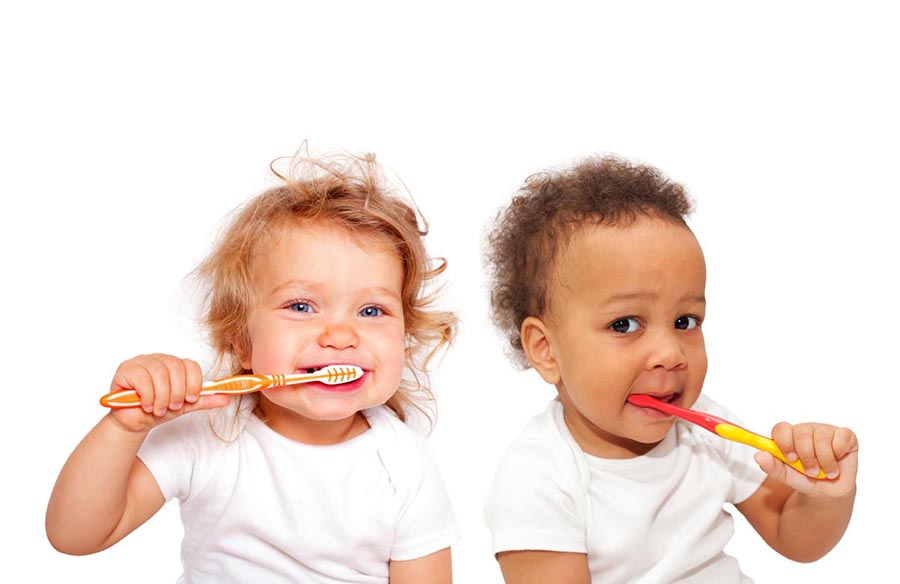
Searches like “how to get kids to brush,” “kids flossing tips,” and “make brushing teeth fun” continue to trend. Let’s break down what really works — using kid-approved strategies that make oral hygiene easier for both parents and children.
Key Takeaways
- Kids need help brushing until age 7–8
- Start flossing as soon as two teeth touch
- Use fun tools: timers, songs, apps, and electric brushes
- Technique matters more than force
- Consistency builds lifelong habits
- Parents should “brush, then let kids brush”
Why Brushing & Flossing Matter So Much
Cavities are the most common chronic condition in children, according to the CDC.
Daily brushing and flossing prevent:
- Cavities
- Gum irritation
- Enamel damage
- Pain and infection
- Early tooth loss
Kids who learn these skills early have fewer dental problems later.
Choose the Right Tools for Success
Kids get excited about brushing when they love their tools.
Use:
- A soft-bristled kids toothbrush
- Fluoride toothpaste
- Under age 3: rice-sized smear
- Ages 3–6: pea-sized amount
- Electric toothbrush (often cleans better for kids)
- Fun flavors and colors
- Kid-friendly flossers
Letting children pick their toothbrush helps them feel in control.
Teach the “Small Circles” Technique
Kids often scrub back and forth — but that actually misses a lot of surfaces.
Teach them to:
- Brush in small circles
- Brush outer, inner, and chewing surfaces
- Gently brush along the gumline
- Brush twice per day for two full minutes
An electric toothbrush can make proper technique easier.
Use Songs, Timers & Apps
Kids brush longer when brushing feels like a game.
Try:
- 2-minute brushing songs
- Brushing apps (Disney Magic Timer is a favorite!)
- Sand timers
- YouTube toothbrushing songs
- “Freeze dance brushing”
If brushing feels fun, they’re more likely to do it well.
Help Your Child Brush Until Age 7–8
Kids don’t develop the hand coordination needed for effective brushing until later than most parents expect.
Use this method:
- Child brushes first (independence!)
- Parent checks and finishes
This ensures every tooth — front, back, and sides — gets cleaned thoroughly.
Introduce Flossing Early
Flossing should start as soon as two teeth touch.
Best options:
- Pre-threaded flossers (easiest for kids)
- Fun colors or characters
- Gentle “C-shaped” technique around each tooth
Flossing removes plaque between teeth where cavities form most often.
Make Brushing & Flossing a Routine
Consistency builds habits.
Try:
- Brushing at the same times daily
- Family brushing time
- Bedtime routines with clear steps
- Sticker charts or small rewards
- Letting kids choose toothpaste flavor
Kids thrive when routines feel predictable and positive.
Avoid Common Mistakes Parents Make
Even with great intentions, some habits don’t actually help.
Avoid:
- Letting kids brush alone too early
- Using too much toothpaste
- Skipping flossing
- Letting brushing happen while running around
- Giving bedtime snacks after brushing
Small mistakes can cause big cavity risks — especially at young ages.
FAQs
Conclusion
Teaching your child to brush and floss doesn’t have to be a daily struggle. With the right tools, routines, and fun strategies, kids can become confident, independent brushers — and enjoy a lifetime of healthy smiles.
Book Your Child’s Preventive Visit Today
Need personalized brushing and flossing tips from a trusted pediatric dentist?
Schedule an appointment with Sweet Tooth Pediatric Dentistry.